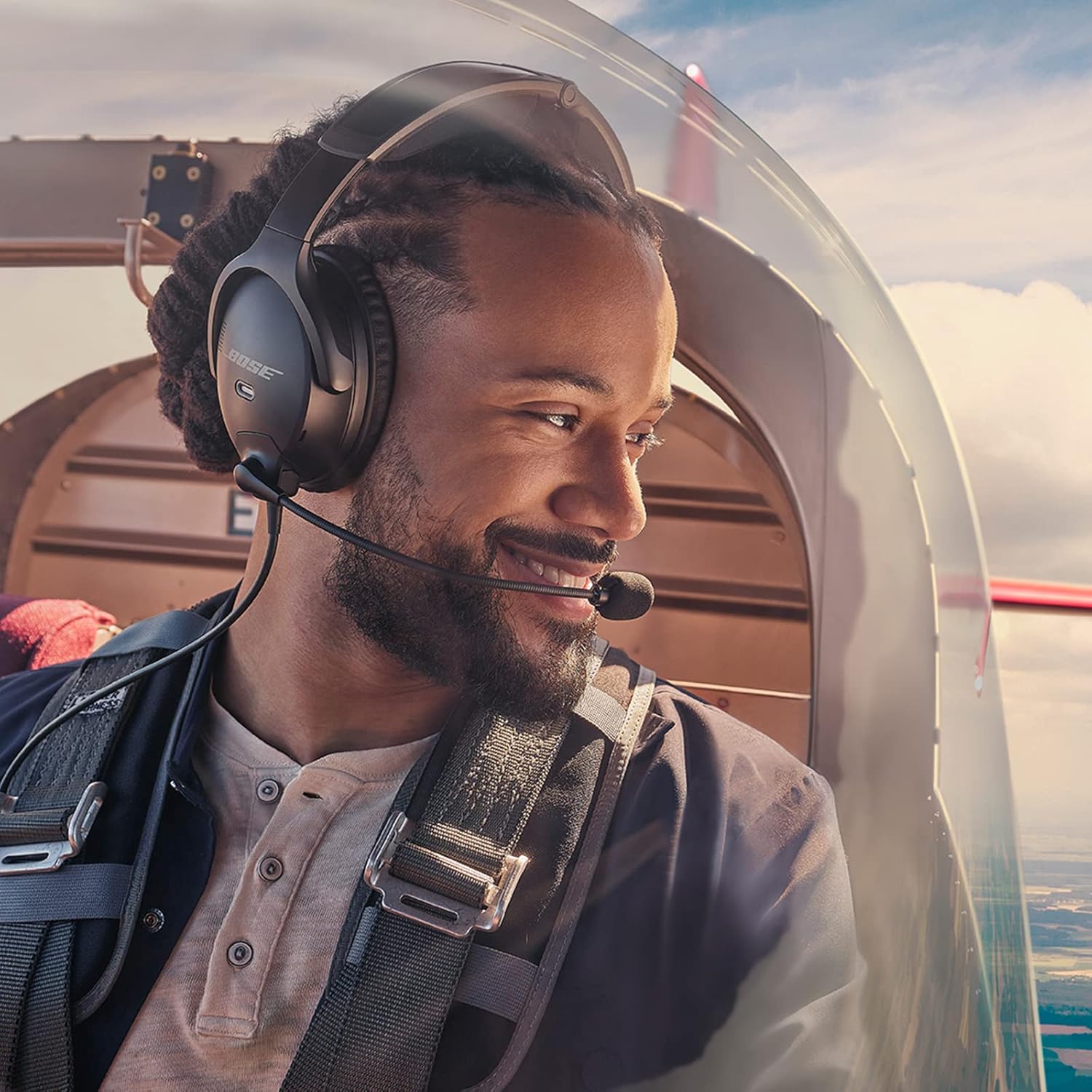
If you’ve ever sat inside a cockpit, you already know—it’s not exactly a quiet place. Between engine noise, radio chatter, and airflow, it can feel like you’re sitting inside a giant drum. That’s where a good aviation headset becomes your best friend.
But here’s the problem: with so many options in 2026, choosing the right one feels overwhelming. Should you go premium? Budget? Noise-canceling or passive?
Don’t worry—you’re about to get a complete, no-nonsense guide that actually helps you decide.
Why Aviation Headsets Matter More Than You Think
Let’s be real—this isn’t just about comfort.
A good headset:
- Improves communication clarity
- Reduces fatigue on long flights
- Protects your hearing
- Helps you stay focused
Think of it like this: flying without a proper headset is like driving at night without headlights. You can do it… but why risk it?
Types of Aviation Headsets in 2026
Before jumping into recommendations, you need to understand your options.
1. Passive Noise Reduction (PNR)
These are your basic headsets.
- Block noise physically
- More affordable
- No electronics required
👉 Best for: student pilots on a budget
2. Active Noise Reduction (ANR)
These are the game-changers.
- Use technology to cancel noise
- Much quieter cockpit experience
- More expensive but worth it
👉 Best for: serious pilots and professionals
3. Bluetooth-Enabled Headsets
Welcome to 2026.
- Connect your phone or tablet
- Listen to alerts, calls, or music
👉 Best for: modern cockpit setups
Top Aviation Headsets for Pilots in 2026
Now let’s get into what you really came for—the best options.
1. Bose A30 Aviation Headset
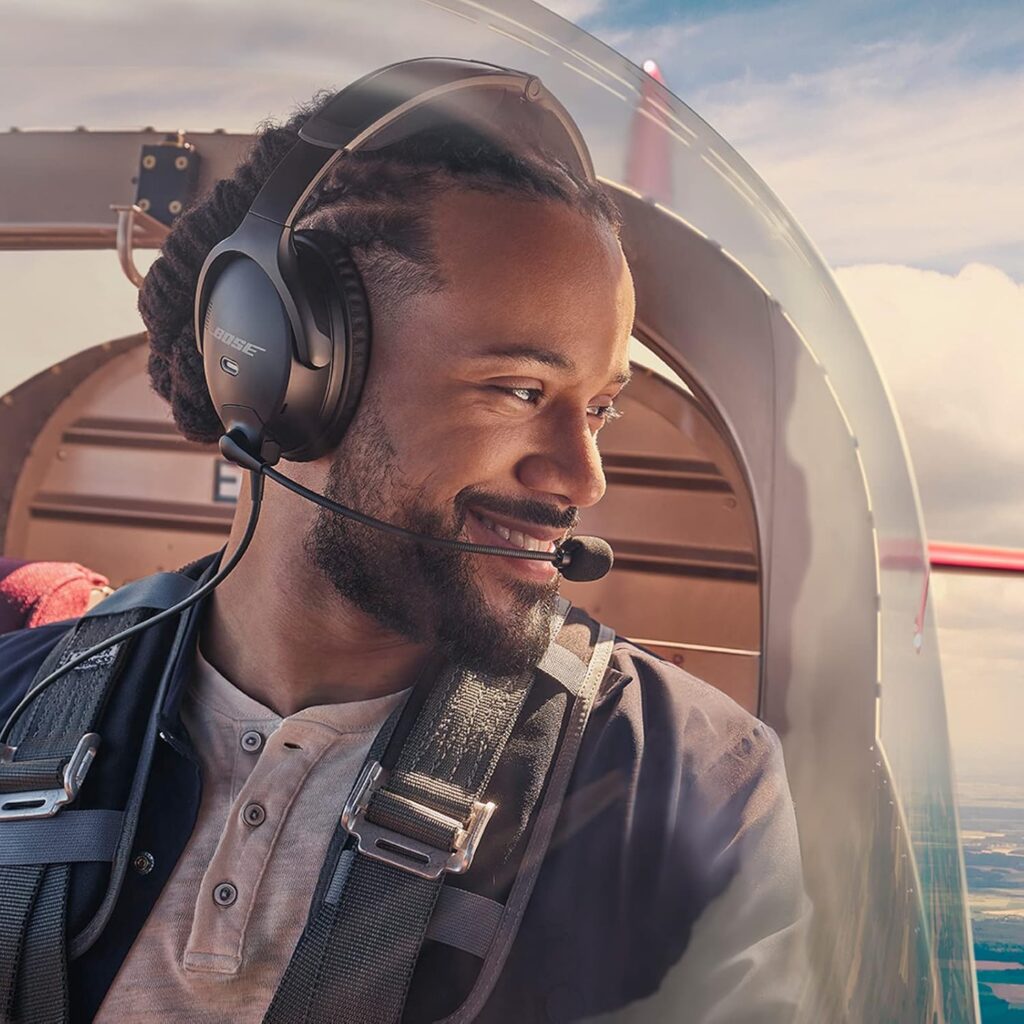
Why it stands out
This is the king of aviation headsets.
- Exceptional noise cancellation
- Lightweight and comfortable
- Crystal-clear audio
Pros
- Industry-leading ANR
- Long-wear comfort
- Premium build
Cons
- Expensive
👉 If you want the best, this is it.
2. David Clark ONE-X
Why pilots love it
A perfect balance between performance and durability.
- Strong noise reduction
- Rugged design
- Trusted brand in aviation
Pros
- Built like a tank
- Great value
- Reliable
Cons
- Slightly heavier
3. Lightspeed Zulu 3
Why it’s popular
This headset competes directly with premium brands.
- Comfortable fit
- Excellent ANR
- Bluetooth connectivity
Pros
- Premium feel
- Good battery life
- Great sound quality
Cons
- Still pricey
4. Faro G2 ANR Headset
Best budget ANR option
You don’t always need to break the bank.
- Affordable ANR
- Decent performance
- Good for beginners
Pros
- Budget-friendly
- Solid features
Cons
- Not as refined as premium models
5. Rugged Air RA200
Best for student pilots
Starting out? This is your entry ticket.
- Very affordable
- Durable
- Simple design
Pros
- Cheap
- Reliable
Cons
- No active noise cancellation
How to Choose the Right Aviation Headset
Here’s where most people get stuck. Let’s simplify it.
1. Consider Your Budget
- Under $200 → Go PNR
- $300–$700 → Mid-range ANR
- $1000+ → Premium ANR
👉 Don’t overspend if you’re just starting.
2. Think About Comfort
You’ll wear this for hours.
Ask yourself:
- Does it feel heavy?
- Does it clamp too hard?
Comfort isn’t a luxury—it’s essential.
3. Check Noise Reduction
Flying is loud. Really loud.
ANR headsets:
- Reduce fatigue
- Improve focus
- Make communication easier
4. Look for Durability
Cockpits aren’t gentle environments.
Choose:
- Strong materials
- Reliable cables
- Good warranty
5. Battery Life Matters
For ANR headsets:
- Look for 20–40 hours battery life
- Always carry backups
ANR vs PNR: Which One Should You Choose?
Let’s settle this debate.
| Feature | ANR | PNR |
|---|---|---|
| Noise Reduction | Excellent | Basic |
| Price | High | Low |
| Comfort | High | Medium |
| Best For | Professionals | Beginners |
👉 If you can afford ANR—go for it. You’ll thank yourself later.
Common Mistakes Pilots Make When Buying Headsets
Avoid these traps:
- ❌ Buying the cheapest option
- ❌ Ignoring comfort
- ❌ Not checking compatibility
- ❌ Overlooking warranty
Are Expensive Headsets Worth It?
Short answer: Yes.
Long answer:
Think of it like investing in a good mattress. You don’t realize how important it is until you experience the difference.
Premium headsets:
- Reduce fatigue
- Improve safety
- Last longer
Best Headsets for Different Pilots
Student Pilots
- Rugged Air RA200
- Faro G2
Private Pilots
- Lightspeed Zulu 3
- David Clark ONE-X
Commercial Pilots
- Bose A30
Future Trends in Aviation Headsets (2026 and Beyond)
Technology is evolving fast.
Expect:
- Smarter noise cancellation
- AI-enhanced audio
- Better Bluetooth integration
- Lighter designs
Maintenance Tips to Extend Headset Life
Want your headset to last years?
- Clean ear seals regularly
- Store properly
- Avoid cable damage
- Replace worn parts
Quick Buying Checklist
Before you buy, ask:
- Is it comfortable?
- Does it have ANR?
- Is it within budget?
- Does it suit your flying style?
Conclusion
Choosing the right aviation headset isn’t just about specs—it’s about your experience in the cockpit.
Whether you’re a student pilot or a seasoned professional, the right headset can completely transform your flights. From reducing noise to improving communication, it’s one of the smartest investments you’ll ever make.
If you’re serious about flying, don’t treat this like a small purchase. Treat it like essential gear—because it is.
FAQs
1. What is the best aviation headset in 2026?
The Bose A30 is widely considered the best due to its superior noise cancellation and comfort.
2. Are cheap aviation headsets worth it?
They’re fine for beginners, but upgrading to ANR makes a huge difference in comfort and performance.
3. How long do aviation headsets last?
With proper care, a good headset can last 5–10 years.
4. Do I need Bluetooth in a headset?
Not essential, but very useful for modern pilots using tablets and apps.
5. Can I use regular headphones for flying?
No. Aviation headsets are specifically designed for cockpit communication and safety.